Table of Contents
Why premium refractories are abandoning gray silica fume
In the refractory industry, silica fume has been around since the 1980s as a densifier in low-cement castables. But over the past five years, a clear shift is underway: mid-to-high-end refractory formulations are progressively replacing traditional gray silica fume with white zircon silica fume.
This is not a simple "color upgrade." From tundish gunning mixes and glass furnace superstructures to semiconductor quartz kiln furniture, white zircon silica fume is penetrating faster than expected. The reason is straightforward: traditional gray silica fume contains 2%-8% carbon and Fe2O3 impurities, causing gas evolution, reduction, discoloration and structural spalling at high temperatures—all unacceptable in low-carbon steel, ultra-clean steel and premium glass production.
Key insight: White zircon silica fume is not "a slightly more expensive gray silica fume." It is a functional mineral additive that simultaneously solves densification, high-temperature reactivity and thermal shock stability. ZrO2 upgrades it from a mere physical filler to a high-temperature structural reinforcement component.
What exactly is white zircon silica fume
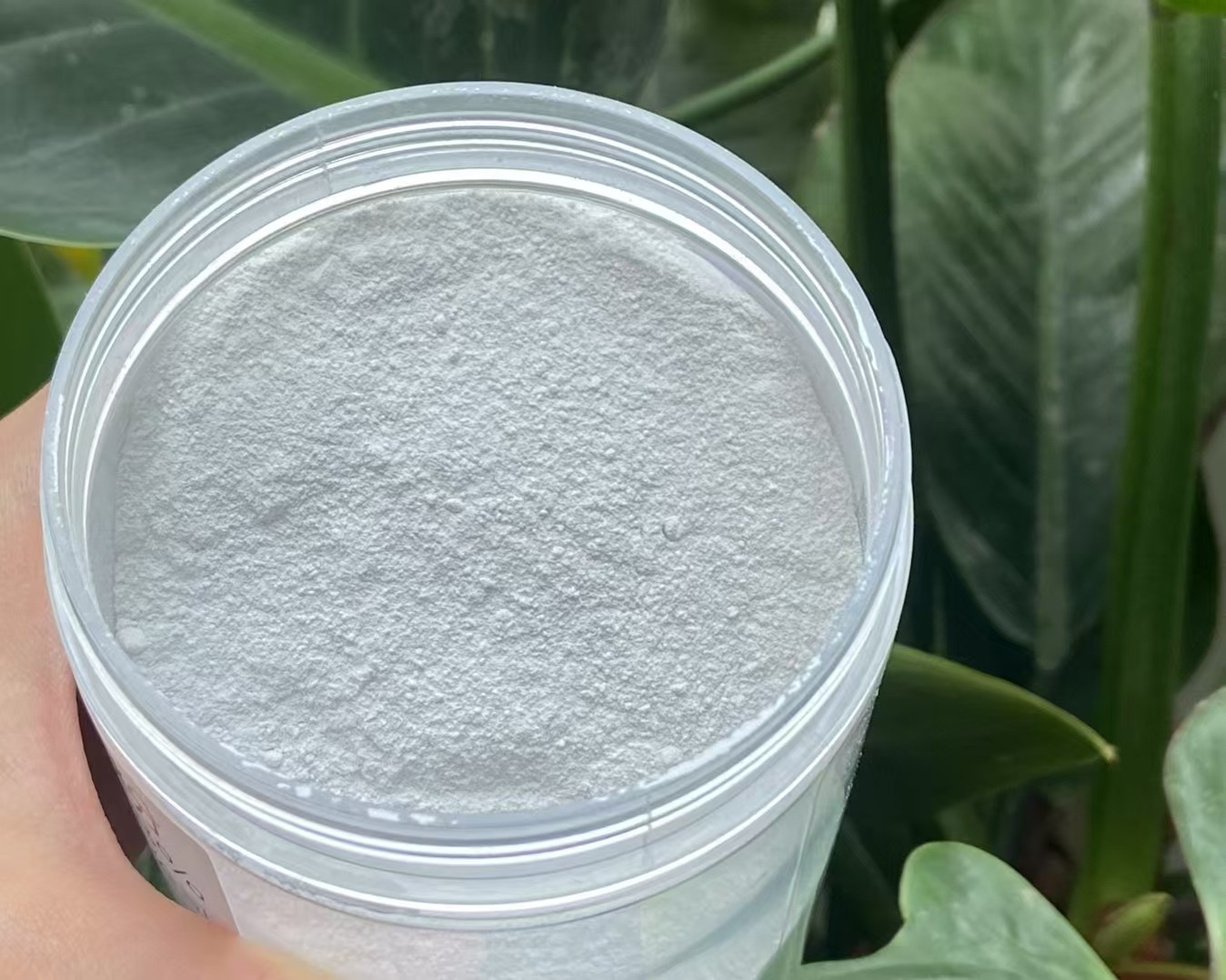
White zircon silica fume is ultra-fine SiO2 powder collected through specialized collection and classification during silicon metal or ferrosilicon alloy production. Key differences from ordinary gray silica fume:
- SiO2 ≥94% (gray silica fume: 85%-92%)
- Whiteness ≥92%, Fe2O3 ≤0.5% (gray: 1.5%-4%)
- ZrO2 content 2%-3%, derived from natural zirconia accompanying quartz raw material
- Carbon ≤0.5% (gray silica fume free carbon can reach 2%-8%)
- Average particle size 0.1-0.3μm, specific surface area 15,000-25,000 m2/kg
A common misconception: the ZrO2 in white zircon silica fume is not artificially added. It originates from natural zircon (ZrSiO4) in quartz sand that decomposes in the high-temperature arc furnace, with ZrO2 particles collected along with SiO2 fume. This means ZrO2 distribution is extremely uniform—every micro-particle contains trace ZrO2, far superior to mechanically blending zircon flour.
Four mechanisms: more than just filler
Mechanism 1: Micro-filler densification (physical)
Refractory castable aggregates are typically 1mm-5mm, cement and fines 0.075mm-0.1mm, while zircon silica fume is 0.1-0.3μm—100× finer than cement. It fills voids between cement particles like cement fills voids between gravel. Results:
- Apparent porosity drops from 18%-22% to 10%-14%
- Bulk density increases by 8%-12%
- Flexural strength improves by 30%-50%
Mechanism 2: High-temperature mullitization (chemical)
Between 1000°C-1400°C, reactive SiO2 from zircon silica fume reacts with alumina fines or Al2O3 in calcium aluminate cement to form mullite (3Al2O3·2SiO2):
3Al2O3 + 2SiO2 → 3Al2O3·2SiO2 (Mullite)
Mullite is one of the most ideal mineral phases in refractories: melting point 1850°C, low thermal expansion (~5.3×10⁻⁶/°C), excellent creep resistance. This means the microstructure "self-reinforces" at service temperature—it sinters denser rather than shrinking and cracking like ordinary castables.
Mechanism 3: ZrO2 phase transformation toughening (key differentiator)
This is the core technical barrier that sets white zircon silica fume apart from all other silica fume products. ZrO2 undergoes a martensitic tetragonal-to-monoclinic (t→m) transformation near 1170°C, accompanied by 3%-5% volume expansion. This expansion produces two critical effects inside the refractory:
- Micro-expansion compensates for sintering shrinkage: refractories shrink during high-temperature sintering, creating cracks. ZrO2 transformation expansion exactly compensates, maintaining dimensional stability during cooling.
- Crack deflection toughening: when thermal shock cracks reach ZrO2 particles, crack-tip stress induces t→m transformation. The volume expansion creates compressive stress that "pinches" crack tips, preventing further propagation.
Test data: corundum-mullite castables with 3%-5% white zircon silica fume survive 50+ water quenching cycles at 1100°C without cracking, compared to 15-20 cycles for standard castables. This is a decisive advantage in ladles and iron troughs with frequent temperature fluctuations.
Mechanism 4: Slag penetration barrier
80% of refractory failure comes not from molten-through, but from slag penetration + structural spalling. Steel slag or glass melt infiltrates along pores, reacting with the refractory to form a deteriorated layer. This layer has different thermal expansion from the original, causing it to spall off layer by layer during temperature cycling.
With white zircon silica fume, lower porosity + a dense mullite layer reduce slag penetration depth by 60%-80%. Critically, ZrO2 reacts with CaO and FeO in slag to form high-melting-point calcium zirconate (CaZrO3, melting point 2390°C), creating a non-wetting protective layer on the working face—a "self-healing" slag resistance mechanism.
Five core application scenarios
Scenario 1: Tundish gunning / working lining
Tundish coatings require non-stick steel at high temperature, slag erosion resistance, and easy peeling. With 8%-12% white zircon silica fume, sintering densification temperature drops to 1300°C, forming a smooth working face that does not stick slag. ZrO2 transformation toughening keeps the coating intact over multiple heats.
Scenario 2: Ladle / iron trough low-cement castables
Ladle walls and iron trough castables endure 1500°C+ steel erosion and severe thermal shock. Replacing some cement and alumina fines with white zircon silica fume significantly reduces mid-temperature (1000°C) strength loss and improves thermal shock life by 40%+. For high-end steels tapped at 1650°C+ (electrical steel, stainless steel), this directly determines campaign life.
Scenario 3: Glass furnace superstructure
Glass furnace regenerators, ports and breastwalls are exposed to alkaline glass melt (Na2O, CaO) and high-temperature flame. Free carbon in ordinary gray silica fume contaminates glass melt under reducing conditions, causing bubbles and cords. The low carbon content of white zircon silica fume makes it the preferred densifier for borosilicate and photovoltaic glass furnaces. ZrO2 reacts with Na2O in glass melt to form sodium zirconate, further blocking glass penetration.
Scenario 4: Long nozzle / submerged entry nozzle (SEN)
Continuous casting long nozzles and SENs must combine thermal shock resistance, steel erosion resistance and clogging prevention. Zircon silica fume acts as a matrix component in Al2O3-C nozzle materials, promoting sintering and forming a ZrO2-enriched layer that effectively prevents Al2O3 inclusion buildup on the inner wall ("nozzle clogging").
Scenario 5: Semiconductor / quartz kiln furniture
Quartz glass crucibles and semiconductor diffusion furnaces require extremely low impurities (total transition metals Fe, Cu, Ni <10ppm). The high purity of white zircon silica fume makes it one of the few silica fume grades suitable for electronic-grade quartz ceramics. It introduces no harmful metallic impurities while promoting quartz ceramic sintering densification at 1200°C.
White zircon vs. ordinary gray silica fume: they are not the same product
| Property | Ordinary Gray SF | White Zircon SF |
|---|---|---|
| SiO2 content | 85%-92% | ≥94% |
| 85%-92% | 1.5%-4% | ≤0.5% |
| ≥94% | None or trace | 2%-3% |
| Fe2O3 content | 2%-8% | ≤0.5% |
| 1.5%-4% | Grey-black | ≥92% |
| ≤0.5% | 15-20 cycles | 50+ cycles |
| ZrO2 content | N/A | Recommended |
| None / trace | $200-350 | $500-800 |
Technical judgment: If you make ordinary blast furnace trough castables or less critical flue linings, gray silica fume is sufficient. But for clean steel, premium glass, non-ferrous metallurgy or non-ferrous smelting, the performance gain from white zircon silica fume far outweighs the price premium—spending $200/ton more on raw material can extend campaign life by 50%+.
Optimal dosage & installation tips
Based on our technical guidance at 20+ refractory customer sites, recommended dosages:
| Material Type | Zircon SF dosage (% of fines) | Best service temp |
|---|---|---|
| Low-cement corundum castable | 5%-8% | 1500-1700°C |
| 5%-8% | 8%-12% | 1300-1500°C |
| 1500-1700°C | 3%-5% | 1100-1400°C |
| Tundish gunning mix | 2%-4% | 1500-1600°C |
| 8%-12% | 4%-6% | 1000-1200°C |
Three often-overlooked installation details:
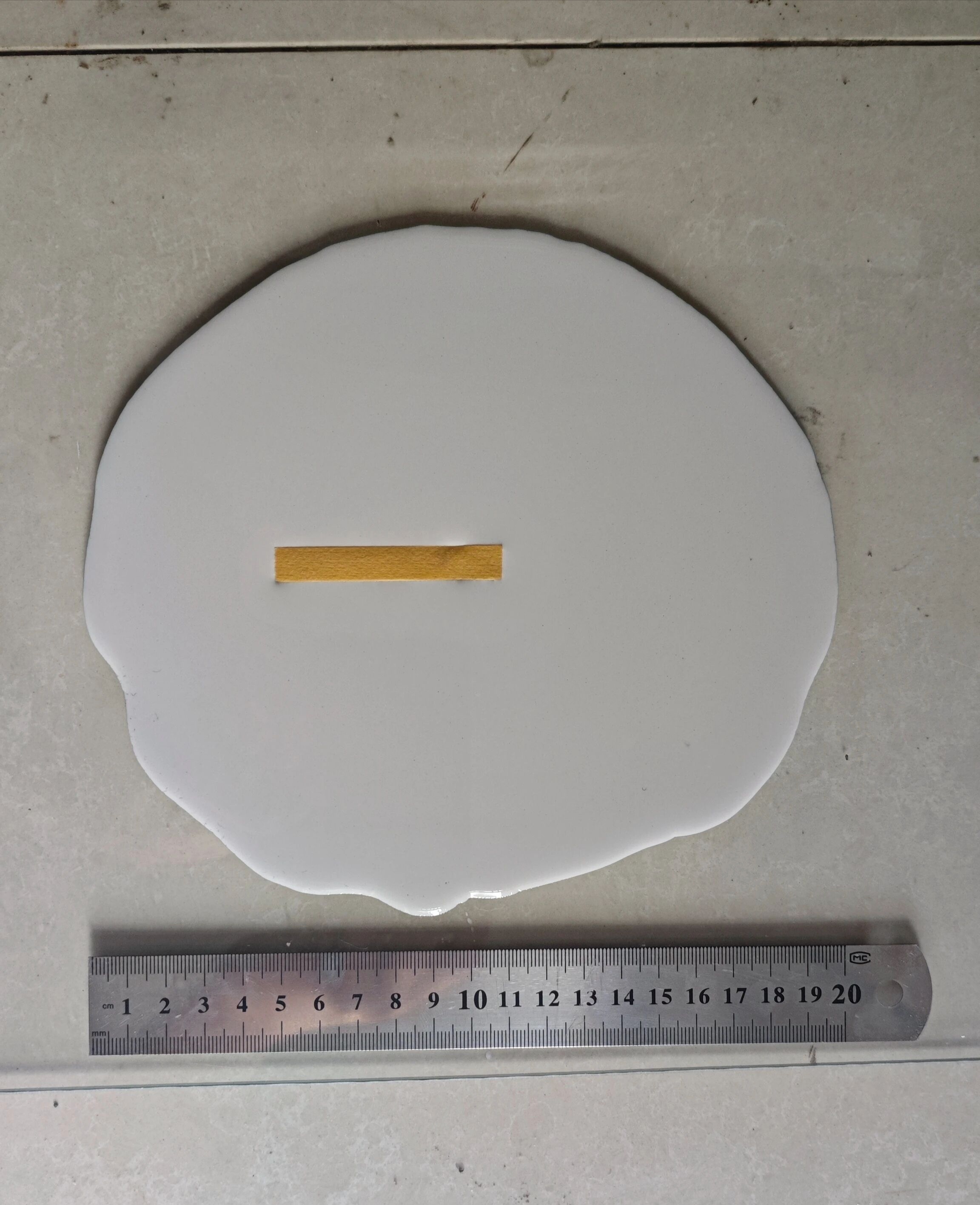
- Dispersion: Zircon silica fume is finer than gray and tends to clump. Pre-mix silica fume with 1/3 of alumina fines for 2 minutes in dry mix before adding to the mixer.
- Water demand: At equal flowability, zircon silica fume requires ~15% more water than gray. Do not directly use gray silica fume water dosage—start at 5.5%-6.5% of dry weight and adjust per slump flow.
- Firing schedule: Since ZrO2 transformation occurs near 1170°C, control heating rate between 1000°C-1200°C at ≤30°C/h to avoid transformation expansion coinciding with free water release and causing cracks.
Cost-benefit: why it is worth it
White zircon silica fume does cost ~$250-400/ton more than gray. But over lifecycle cost:
- Campaign life: In tundish coatings, zircon SF extends life from 60-80 heats to 120-150 heats, reducing refractories cost per ton of steel by ~25%.
- Less downtime: 40% longer ladle life means 20% fewer repair campaigns.
- Quality yield: Carbon-free, low-iron zircon SF avoids glass bubbles and steel recarburization incidents caused by carbon contamination—one quality incident costs more than the annual refractories price difference.
Future trends
- Low-carbon steelmaking: As hydrogen metallurgy and EAF short-route steelmaking grow, steel cleanliness demands rise. The carbon content issue of gray silica fume becomes more acute, accelerating white zircon substitution.
- PV glass & semiconductor expansion: Global PV glass capacity shifting to China and Southeast Asia drives 12%-15% annual demand growth for high-purity white silica fume.
- Nanocomposite: Combining zircon SF with nano-alumina and yttria (Y2O3) to further stabilize t-ZrO2 phase for stronger transformation toughening is a frontier refractory research direction.
FAQ
Q1: Is white zircon silica fume the same as zircon flour?
Completely different. Zircon flour is ground ZrSiO4, typically 400-800 mesh (~15-38μm), ~65% ZrO2. White zircon silica fume is collected fume from silicon alloy production, 0.1-0.3μm, only 2%-3% ZrO2 but ≥94% SiO2. One is zircon-dominant, the other is silica-dominant.
Q2: Can white zircon silica fume directly replace gray silica fume?
Yes, but adjust water demand and dispersion. Direct equal-mass replacement increases water demand and worsens workability. Start with lab trials: replace by weight, then fine-tune water (+0.5%-1.0%) and superplasticizer dosage to maintain flowability.
Q3: Why does white zircon silica fume sometimes clump?
It is finer with higher surface area and stronger hygroscopicity. Poor packaging seal or warehouse humidity >60% causes soft clumping from moisture absorption. This is not a quality issue—sieve through 80 mesh before use.
Q4: Is more always better?
No. Above 12%, excess SiO2 forms too much mullite at high temperature with large volume expansion, loosening the structure. Optimal range is typically 3%-10%, depending on material type and service temperature.
Conclusion
The value of white zircon silica fume in refractories goes far beyond "making products white." Through four mechanisms—micro-filler densification, mullitization, ZrO2 transformation toughening and slag barrier—it systematically improves mid-temperature strength, thermal shock stability and slag erosion resistance of monolithic refractories.
For refractory manufacturers, our advice: do not compare unit prices in isolation. Factor campaign life extension, reduced repairs and avoided quality incidents into the cost model. A raw material that doubles your campaign life is never too expensive.
Need white zircon silica fume samples or technical support?
We supply high-whiteness zircon silica fume (whiteness ≥92%, SiO2 ≥94%, ZrO2 2%-3%) with refractory formulation technical guidance. Free samples available.
Request Free Sample View Silica Fume Products